

Thank you for signing up with Wealthy!
Our team will be in touch with you soon.
Watch what our Wealth Partners have to say about us
(Just a 1 minute video)
Download
Free Content

And we’ve got more for you as you wait ..


Download
Wealthy Partner App
Deliver exceptional investing
experience to your clients.


How to Improve Your Home Loans Eligibility?
If you are going to a bank to ask for a home loan, you better be prepared to stand up to their expectations. Most reputed banks are worried about two things more than anything else:
- How you have been paying back other debts till now, and
- Whether you make enough to pay their loan back.
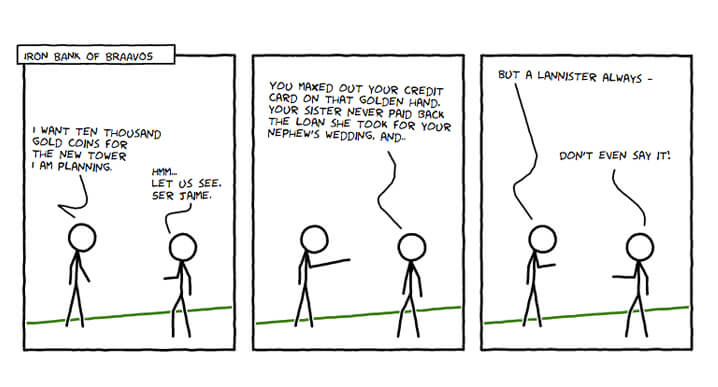
There are other things that worry about banks too. Your age, your profession, and your company, for instance. They matter a bit, but there's little you can do about those things now. So, don't fret about them.
It's the two concerns we flagged off earlier that you should be bothered about. For the first concern, banks look at your CIBIL credit score. And for the second one, they look at something called your DTI or the debt-to-income ratio. Fancy words, right? Well, let's break them down a bit.
What's your CIBIL Score?
The Credit Information Bureau (India), or CIBIL, keeps track of how you deal with your debt: how regular you are with your EMIs, how you use your credit card and such things. With this information, CIBIL measures your "creditworthiness" and assigns you a credit score. This is usually a number between 300 and 900 - the closer you are to 900, the more creditworthy you are.

You can find yours here.
Typically, if you're applying for a home loan and your score is below 700, you end up in the bank's naughty list. You might have to pay a higher interest rate or might not be given the loan at all. Thankfully, you can claw your way back to the nice list with a little patience and some discipline.
How to improve your CIBIL score?
Your CIBIL score usually goes down when your loan re-payments are untimely or irregular. And also when you don't use your credit properly. So these are the first issues you need to work on.
- Pay your EMIs and credit card bills IN FULL and ON TIME. Always.
If you miss even one deadline, even once, your score goes down. But if you continue to bring in the right money at the right time, month after month after month, you can expect your CIBIL score to inch upwards. Slowly.
- Don't spend more than 70% of your credit card limit.
Spending with your credit card is generally good. It shows CIBIL that you are open to the concept of credit. However, to be truly creditworthy, you have to show that you spend responsibly. Spending more than 70% of your credit limit shows that you are too dependent on credit card and that might be because you are low on cash. This makes you less attractive as a potential loanee. So, don't overdo the credit card spending.
What is DTI?
Your DTI is quite simply the ratio of the average monthly payments you make towards your debts to your average monthly income. The lower this ratio is, the greater is your ability to make those monthly payments and the happier the bank is to give you your loan. Home loans are long term and therefore warrant a lower DTI than other kinds of debt.
Typically, for housing loans, your DTI should be lower than 40% and you should be able to show a steady source of income.
How to bring down your DTI?
There are two parts to the DTI that one can influence: one's outstanding debt and one's gross monthly income. The unfortunate thing is most people end up trying to influence the wrong part.
You might be tempted to tap into your savings and pay off some of your debt before applying for that home loan. Don't fall into that trap. Don't pay back your debts in one go. Space it out.

When you pay back a substantial debt in one sweet go, it gets flagged as unusual activity. Lenders get the impression that you suddenly came into money and this income might not be recurring in the future. It brings down your DTI, yes, but it also brings down your CIBIL score.
So what can you do? You can't, of course, get your income up overnight. But you don't have to either. Instead, get a co-applicant - their income gets lumped with yours for DTI. You can get one of your parents, siblings or spouse on board to apply for the home loan along with you. Because the co-applicant is treated like a guarantor of sorts, it's more likely for you to get a loan with a co-applicant even if your DTI is as high as 60%. You can even get a higher loan amount.
Dos and Don'ts before applying for Home Loan
DOs
- Keep your CIBIL score above 700.
- Pay your EMIs and credit card bills IN FULL and ON TIME. Always.
- Have a co-applicant. Their income gets lumped for DTI.
DONTs
- Don't spend more than 70% of your credit limit
- Don't pay back your other debts in one go. Space it out.
With a low DTI and a decent CIBIL, you can stop worrying about whether you will get the approval stamp. May these scores be with you!

You are already thinking of the people who need to read this, aren't you? Go ahead, share this with them.


Download the Wealthy Appto enjoy efficient Trading and Investing!



Welcome to Wealthy


.png)
Download Wealthy Partner App
.png) Apple Store
Apple Store Play Store

