

Thank you for signing up with Wealthy!
Our team will be in touch with you soon.
Watch what our Wealth Partners have to say about us
(Just a 1 minute video)
Download
Free Content

And we’ve got more for you as you wait ..


Download
Wealthy Partner App
Deliver exceptional investing
experience to your clients.


Track Expenses - How to Know Where Your Money Goes?
Quick Question:
Do you know how much money you've spent in the last three months on groceries, Broadband subscriptions, commute, dine-outs and lifestyle purchases?
If you do, awesome. But if you don't - and honestly most of us usually don't - write this down on a sticky-note: Tracking Expenses is Step Zero to save your money effectively.
Here are 4 steps to get started.
1. Track Everything, Every day.
Even before you think about making that savings plan, you should know all the drains and leaky holes through which your money flows out. Yes, all of them, not just the "ones that matter". That five-rupee tea in the morning can compete with your credit card interest when you look at the two at the end of a year. So, it's important to log every single thing you spend on, every single day.

And it's not difficult to do do this either. You can keep the daily log with something as simple as a diary. Or if you are more technologically savvy, you could use a spreadsheet or one of the many expense-tracking apps you get for smartphones.
2. Make your 90-day Expense Log
To make a good savings plan, you should ideally have your expense log of at least three months. The ninety-day spread will give you a very good perspective of your spending habits and will also account for the unexpected expenses that come up from time to time.
The first month will give you a clear idea about the expenses that you have to bear every month without fail, without compromise. These are your rent, your car or housing loan EMIs, your health insurance payments, your electricity and other household bills, and so on.
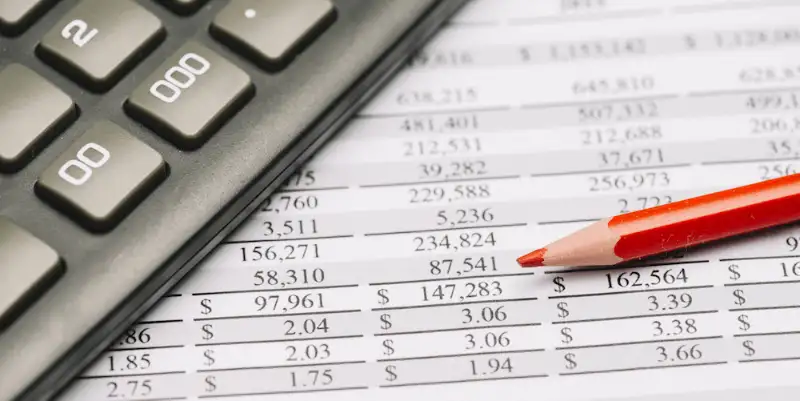
The second and the third month tell you about the routine but sporadic expenses like doctor visits, dine-outs, vehicle repairs, binge purchases on a sale day, and random subscriptions that charge your credit card.
3. Classify your expenses to Must-haves vs Good-to-haves:
Once you have done this exercise, you would be able to classify your expenses into easy-to-understand heads like groceries, clothes, repair charges, bills, subscriptions, and so on. You can then label each expense head as a must-have or a good-to-have.
The must-have expenses will typically have the rent, the electricity bill, the cook's salary, the EMI on your home loan and other stuff that you just can't compromise on.
The good-to-have expenses will cover choices like preferring organic vegetables from a retail outlet over the cheaper stuff at the sabzi mandi. The weekend movie, the coloring book, the yoga classes, the evening juice, the fee for the gym you never use, etc. You might think of paying your credit card bill every month as a good-to-have expense, but we would urge you to think of it as a must-have expense instead.

4. Use the labels to make important savings decisions
These labels work because they give you the parameters on which you can make savings decisions. Foremost, the labels help you decide trade-offs. Big, unexpected costs can be offset by a series of small, manageable savings. Replacing your phone's screen does not have to come at the cost of the family dine out. It can come from choosing to take home-cooked food to the office for a week and saving up canteen charges.
The labels also help you reach a healthy proportion of spending on your must-haves vs your good-to-haves. Without tracking them, you would never know if you have been a little too complacent about your good-to-have spends. Also, you would know how much you need to save every month in order for you to take care of your must-haves in case of an emergency.
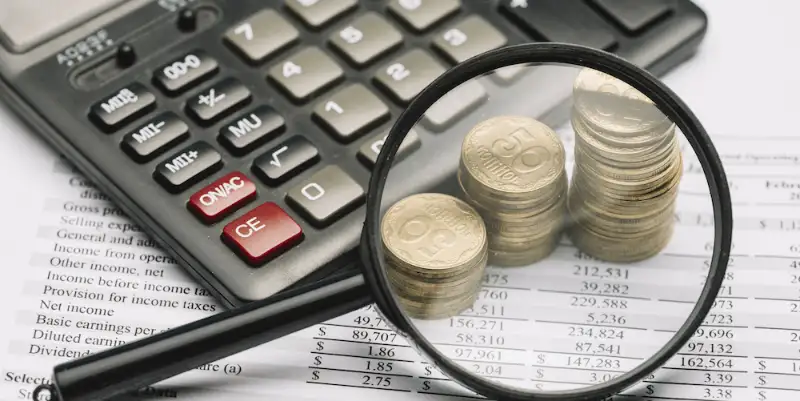
What you will realize when you do this exercise regularly is that budgeting and saving become common sense with this daily expense data. Every day you will know exactly what your budget's position is and you will be able to adjust accordingly.
So, what are you waiting for? Start off now!
How many of your friends and loved ones track their spendings? Share it with the ones who really need to do this.


Download the Wealthy Appto enjoy efficient Trading and Investing!


Welcome to Wealthy


.png)
Download Wealthy Partner App
.png) Apple Store
Apple Store Play Store

